

At Le Cher Elephant Home, a family-run ethical elephant sanctuary nestled in the lush countryside of Chiang Mai, Thailand, elephant dung isn’t seen as waste—it’s regarded as a powerful resource that supports sustainable tourism and circular economy principles.
Rather than treating dung as an undesirable byproduct, we view it as a catalyst for positive change in agriculture, education, and environmental stewardship.
What Is Elephant Dung and Why Is It Valuable?
Elephants consume large amounts of fibrous plants daily—grasses, bananas, sugarcane, and leafy greens. However, their digestive systems are relatively inefficient, leaving much of this plant matter intact. The result? Dung rich in fiber, ideal for crafting high-quality organic fertilizer.
An average elephant produces between 40–60 kg of dung per day, providing a continuous and renewable resource that benefits both our sanctuary and the surrounding farming communities.
Nutrient Profile (NPK Values)
| Nutrient | Elephant Dung | Cow Dung |
| Nitrogen (N) | 2.06% | 1.25% |
| Phosphorus (P) | 1.03% | 0.01–0.51% |
| Potassium (K) | 1.79% | 1.42–2.12% |
This composition makes elephant dung especially suitable for leafy vegetables and fast-growing crops that thrive with nitrogen-rich soil.
How We Turn Elephant Dung into Organic Fertilizer
At Le Cher, we follow a hands-on, earth-friendly composting process:
- Daily collection from elephant enclosures
- Mixing with straw, dry leaves, and local microorganisms
- Maintaining compost piles with proper moisture and temperature
- Turning the piles regularly to promote decomposition
- Allowing natural fermentation for 30–45 days
By transforming waste into fertile soil, we reduce environmental impact while empowering nearby farmers.
Which Crops Benefit Most?
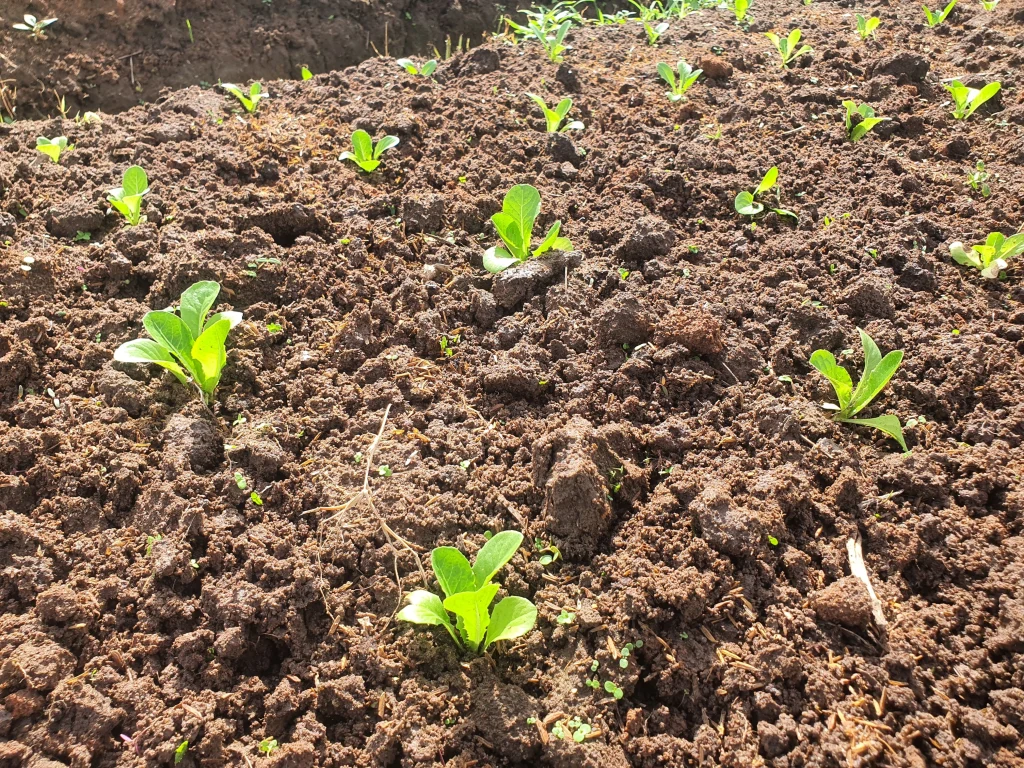
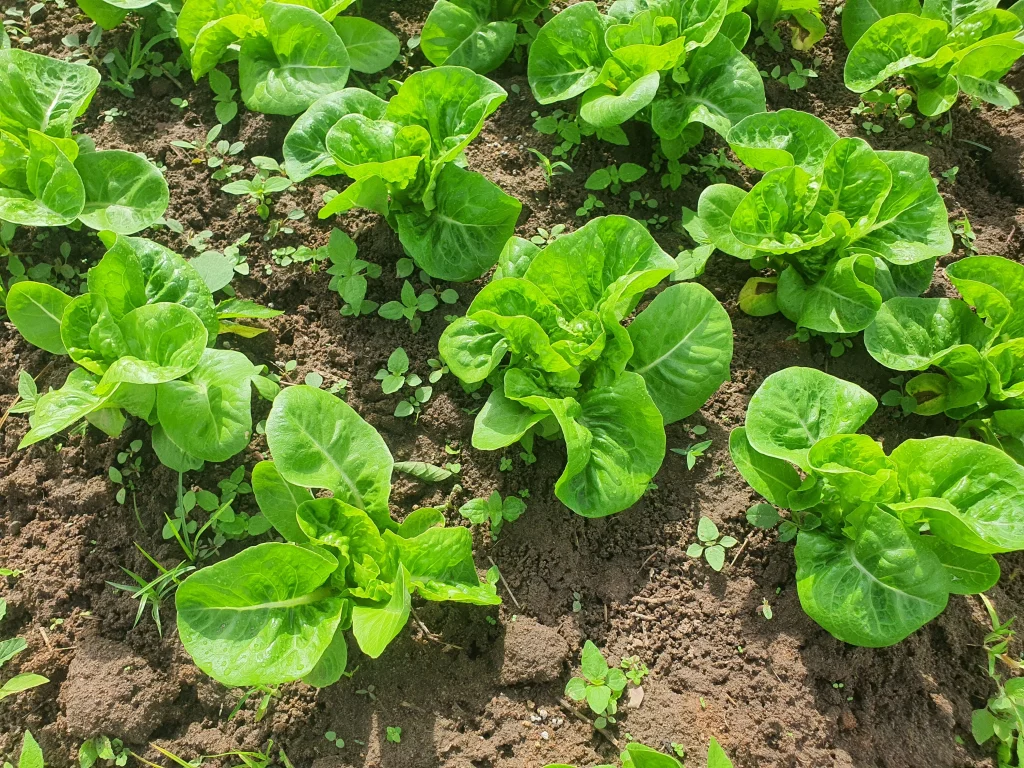
Our experience shows that elephant dung works wonders for short-cycle crops like lettuce, Chinese cabbage, and bok choy. The high nitrogen content helps accelerate leafy growth, resulting in robust, vibrant plants.
For long-cycle crops like fruit trees or rice, excess nitrogen can lead to excessive foliage instead of fruit. To balance nutrients, we recommend:
- Reducing application rates
- Mixing elephant dung with cow dung at a 70:30 ratio for general crops
- Or a 50:50 mix for leafy vegetables needing a boost

Application Guidelines and Cost Benefits
- Short-cycle crops: 1,000–2,000 kg per hectare
- Long-cycle crops: ~500 kg per hectare
- Average price: 30–40 THB per 20 kg bag
Using elephant dung fertilizer regularly can boost yields by 20–30%, reduce dependency on chemical fertilizers, and lower farming costs in the long run
A Hands-On Experience for Visitors
As an ethical elephant sanctuary, our goal is to educate and inspire. Visitors at Le Cher Elephant Home experience more than elephant bathing and feeding. They take part in:
- Viewing our composting process
- Trying out fertilizer in our vegetable gardens
- Learning about zero-waste and circular economy principles
- Speaking with our team about ethical environmental practices
These meaningful interactions foster a deep connection between people, animals, and nature.
Sustainability in Action
We’re proud to lead by example in ethical tourism. Through our circular model, we:
- Minimize waste from tourism activities
- Produce our own fertilizer for local farmers
- Share agricultural knowledge and create job opportunities in nearby communities
Elephant dung plays a central role in linking conservation, community development, and sustainability.
A Small Act with a Big Impact
We’re not here to change the world overnight. But we believe that change begins with small, mindful actions. Something as simple as elephant dung—once overlooked—has become a symbol of regeneration and community empowerment.
Every time we compost it, we return nutrients to the earth. Every time a farmer uses it, we help reduce chemical use. And every time a child learns from it, we grow a new seed of sustainability.
If this humble act makes even the smallest difference, we’ll keep doing it—every single day
✅ Ethical and elephant-friendly
✅ Community-driven and eco-conscious
✅ A travel experience that nurtures the heart—and the mind
Le Cher Elephant Home – Chiang Mai, Thailand 🌐 lecherelephanthome.com
Pingback: The Evolution of Elephants | Le Cher Elephant Home
Pingback: Caring for Calves – Elephant Sanctuary Chiang Mai
Pingback: Why Baby Elephants Eat Dung | Elephant Sanctuary Chiang Mai
Pingback: Elephant Sanctuary Chiang Mai: Why It’s the Perfect Location
Pingback: Chiang Mai & Elephants: A Shared History
Pingback: Elephant Behavior – Chiang Mai Sanctuary
Pingback: Ethical Elephant Sanctuary Chiang Mai | Le Cher Elephant Home
Pingback: Elderly Elephant Care – Ethical Elephant Sanctuary Chiang Mai
Pingback: Explore Ethical Elephant Sanctuary Chiang Mai with Your Family
Pingback: Managing Stressed Elephants at Chiang Mai Ethical Sanctuary
Pingback: Elephants and Nature | Ethical Elephant Sanctuary Chiang Mai
Pingback: Elephant Herbal Medicine – Ethical Sanctuary in Chiang Mai
Pingback: Local Mahouts at Our Elephant Sanctuary in Chiang Mai
Pingback: Best Time to Visit an Ethical Elephant Sanctuary Chiang Mai
Pingback: Why Space Matters for Elephants | Natural Elephant Sanctuary Chiang Mai
Pingback: Le Cher: Elephant Sanctuary Chiang Mai Nature experience
Pingback: Ethical Elephant Sanctuaries in Chiang Mai | Le Cher
Pingback: Family Half Day Elephant Sanctuary Chiang Mai | Le Cher
Pingback: Homestay with Elephants at an Ethical Sanctuary in Chiang Mai
Pingback: Stay Overnight with Elephants in Chiang Mai | Le Cher Elephant Home
Pingback: Karen People and Elephants | Le Cher Elephant Home
Pingback: Family Elephant Sanctuary Chiang Mai | Le Cher Elephant Home
Pingback: Yi Peng Festival Chiang Mai with Le Cher Elephant Home
Pingback: Chiang Mai Travel: Doi Suthep & Ethical Elephant Experience
Pingback: Walk with Elephants: Chiang Mai | Le Cher Elephant Home
Pingback: Elephant Sanctuary Thailand | Le Cher Elephant Home
Pingback: Most Ethical Elephant Sanctuary in Chiang Mai | Le Cher
Pingback: Elephant Home Chiang Mai | Le Cher – Family-Run Ethical Elephant Home
Pingback: Chiang Mai Elephant Hotel Alternative | Ethical Elephant Homestay