
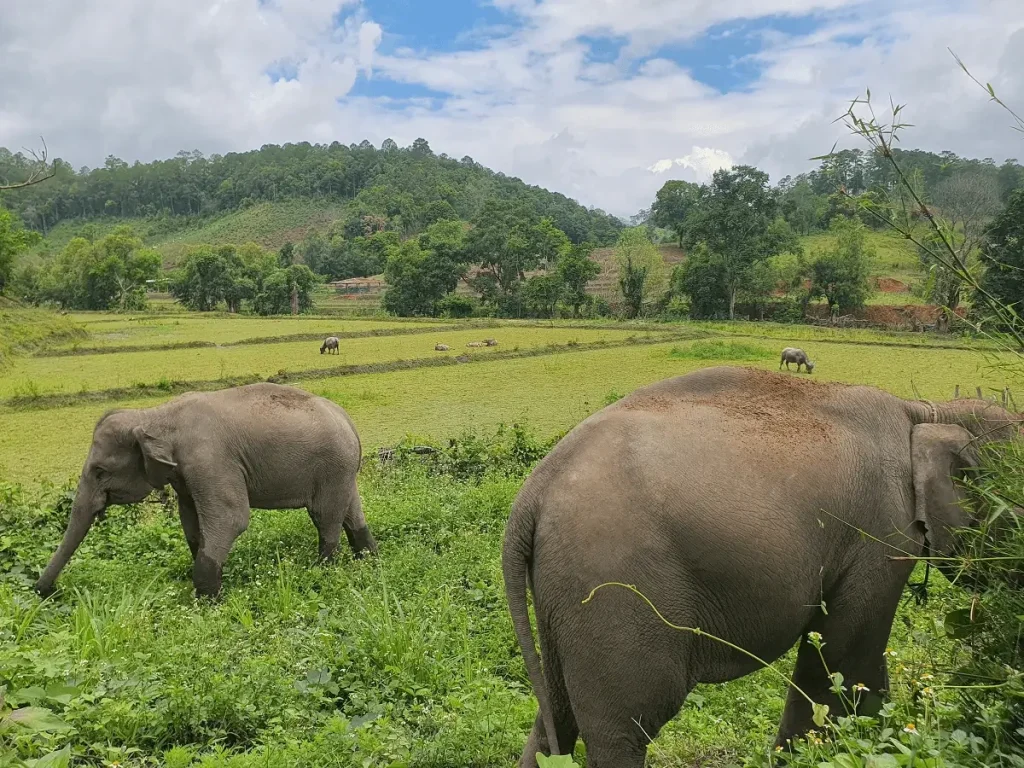
Elephants are majestic, intelligent, and deeply emotional beings. Often described as gentle giants, they thrive in environments where they feel safe, respected, and free. However, like humans, elephants can also experience stress, which may arise from past trauma, environmental changes, or the pressures of captivity. For sanctuaries dedicated to offering a compassionate refuge—such as an ethical elephant sanctuary Chiang Mai—understanding and managing stress-related behaviors is essential. Doing so not only improves the elephants’ quality of life but also upholds the sanctuary’s mission of ethical care and responsible tourism.
Why Elephants Experience Stress
Even elephants living in sanctuaries may carry scars from their past. Many have been rescued from industries such as logging, street begging, or exploitative tourism. Others may still struggle to adjust to a new environment after decades under human control. Stress in elephants can arise from several causes, including:
- Separation from herds: Elephants are highly social animals. Being removed from family groups often causes long-term distress.
- Unfamiliar surroundings: Adapting to a new home, even a sanctuary, can initially be overwhelming.
- Past trauma: Abuse, harsh training, or forced labor leave emotional imprints that resurface as anxiety or fear.
- Health issues: Pain or illness often leads to behavioral changes linked with stress.
- Environmental stressors: Loud noises, overcrowding, or limited space can create discomfort.
Recognizing these causes is the first step toward providing compassionate care.
Signs of Stress in Elephants
Caretakers and mahouts at an ethical elephant sanctuary Chiang Mai are trained to recognize signs of stress. These behaviors include:
- Stereotypic movements such as repetitive swaying, head-bobbing, or pacing.
- Aggression or unusual irritability toward other elephants or humans.
- Withdrawal and a lack of interest in social interaction.
- Appetite changes, such as reduced or irregular eating.
- Excessive vocalizations like trumpeting or rumbling without clear reasons.
Early detection allows sanctuaries to take corrective action before stress escalates.
Approaches to Managing Stress in Elephants
The main goal of an ethical sanctuary is to restore balance to elephants’ physical and emotional well-being. Instead of forcing them into tourist activities, sanctuaries in Chiang Mai focus on natural, gentle care. Key approaches include:
1. Providing Space and Freedom
Elephants need large areas to roam. Ethical sanctuaries ensure access to forests, rivers, and mud pits where elephants can behave naturally. Freedom of movement reduces boredom and improves mental health.
2. Encouraging Social Bonds
Rebuilding social connections is one of the most effective forms of healing. Sanctuaries observe how elephants interact and gradually introduce them to compatible companions, allowing natural friendships to form.
3. Positive Reinforcement and Gentle Care
Mahouts use positive reinforcement—such as offering fruit or soothing words—to encourage trust. This method avoids fear or dominance, helping elephants feel secure.
4. Enrichment Activities to Reduce Stress
Engaging elephants in natural activities helps keep their bodies active and minds calm. Examples include:
- Mud baths to cool down and relax.
- Forest walks that allow elephants to explore their natural surroundings.
- Feeding by visitors done respectfully and gently, which provides joy and positive interaction.
- Allowing elephants to enjoy water freely, swimming or splashing in rivers and ponds.
- Gentle touching, offered carefully by mahouts or visitors under guidance, to build trust and comfort.
These activities encourage natural behavior while strengthening bonds between elephants and humans in ethical ways.
5. Veterinary and Holistic Care
Regular check-ups ensure that health problems are not contributing to stress. Some sanctuaries also incorporate herbal remedies and traditional Thai holistic approaches to promote healing.
6. Reducing Human Pressure
Unlike exploitative tourism, an ethical elephant sanctuary Chiang Mai limits direct interaction. Tourists are guided to participate in ways elephants accept and enjoy, such as feeding or walking alongside them, rather than riding or forcing unnatural performances. This reduces stress and creates a peaceful environment.
The Role of Mahouts in Stress Management
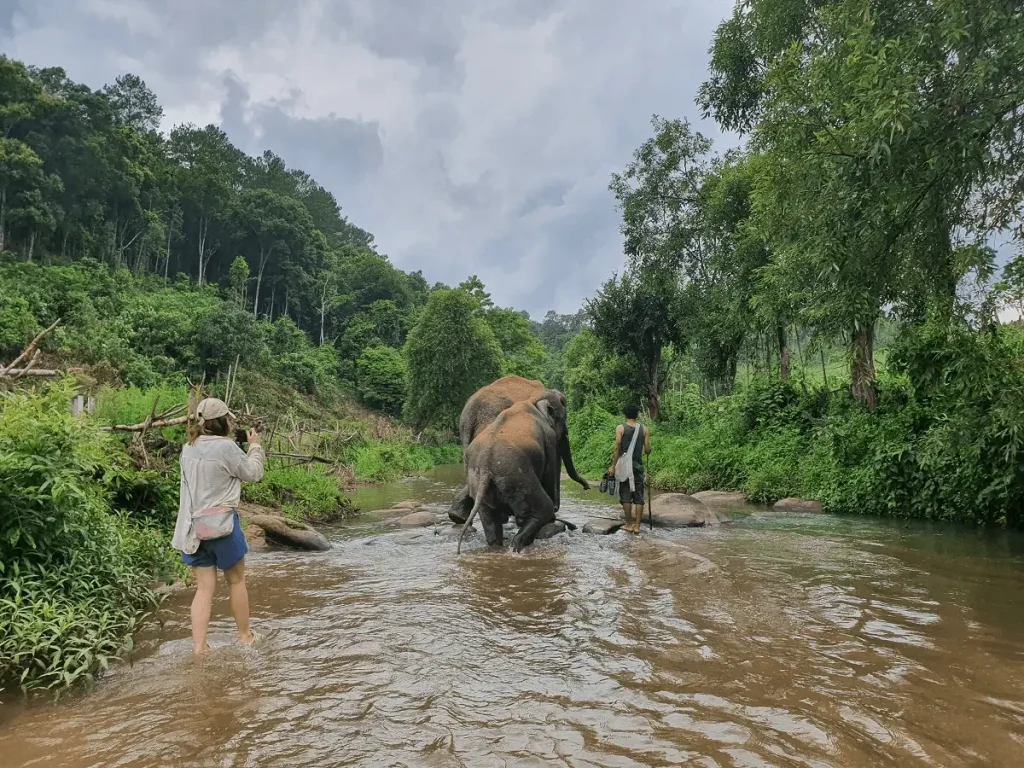
Mahouts are central to elephant well-being. In ethical sanctuaries, they are not just handlers but lifelong companions and protectors. Their responsibilities include:
- Monitoring elephants daily for signs of stress or illness.
- Offering reassurance through calm presence and gentle care.
- Guiding elephants with respect, never force.
- Helping traumatized elephants gradually rejoin herds.
A strong bond of trust between mahouts and elephants provides emotional stability and greatly reduces stress.
Education and Responsible Tourism
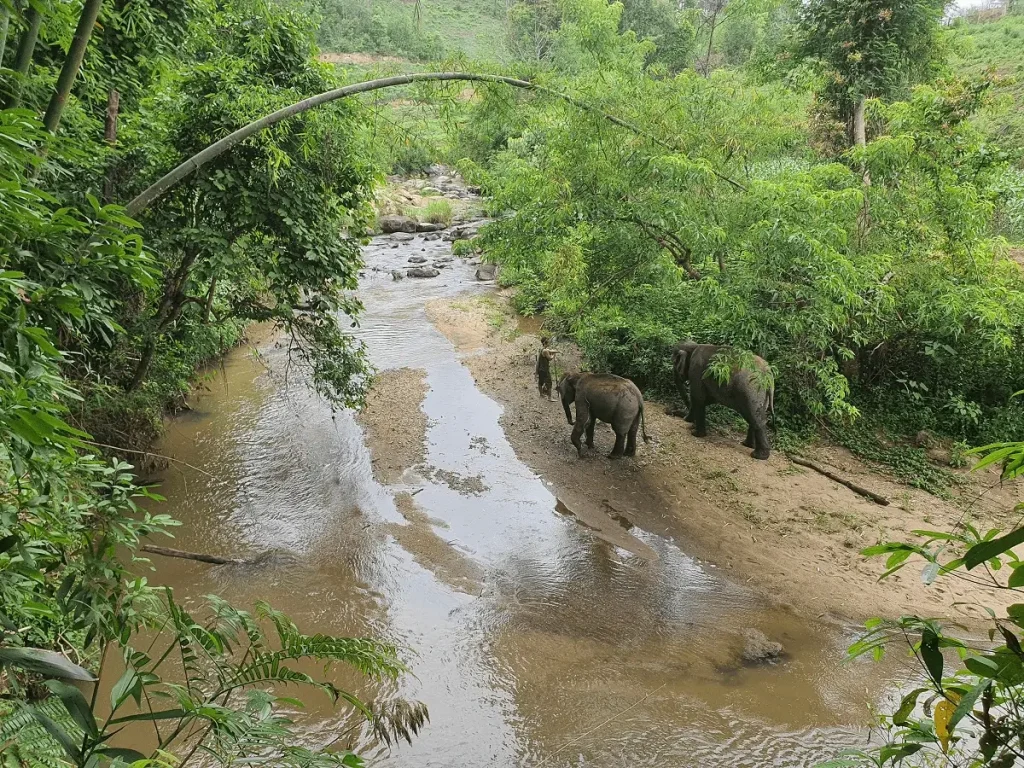
Managing elephant stress also depends on tourist education. Visitors often do not realize how their actions—such as making loud noises or seeking excessive contact—may cause anxiety for elephants. Ethical sanctuaries in Chiang Mai focus on raising awareness by teaching that:
- Observing elephants from a respectful distance is best.
- Responsible interactions such as feeding, walking together, or gentle touching are meaningful without being harmful.
- Witnessing elephants live freely in nature is far more valuable than forced performances.
By promoting these practices, sanctuaries ensure elephants and visitors both have positive, respectful experiences
Building a Future of Compassionate Care
Managing stressed elephant behavior requires patience, understanding, and dedication. It is not a quick fix but an ongoing process of healing. Ethical sanctuaries in Chiang Mai are leading the way by showing that elephant tourism can coexist with compassion and conservation.
Every elephant that finds peace in an ethical elephant sanctuary Chiang Mai becomes a symbol of change—a reminder that humans can correct past mistakes and create a better future for these gentle giants.
By choosing sanctuaries that focus on freedom, trust, and well-being, visitors contribute to a vision of tourism that respects both elephants and nature.
Start your journey today.
Just search for “Le Cher Elephant Home” or book directly through our website → [https://lecherelephanthome.com/]

Pingback: Explore Ethical Elephant Sanctuary Chiang Mai with Your Family
Pingback: Best Time to Visit an Ethical Elephant Sanctuary Chiang Mai
Pingback: Ethical Elephant Sanctuaries in Chiang Mai | Le Cher
Pingback: Karen People and Elephants | Le Cher Elephant Home
Pingback: Family Elephant Sanctuary Chiang Mai | Le Cher Elephant Home
Pingback: Stay Overnight with Elephants in Chiang Mai | Le Cher Elephant Home
Pingback: Le Cher: Elephant Sanctuary Chiang Mai Nature experience
Pingback: Why Space Matters for Elephants | Natural Elephant Sanctuary Chiang Mai
Pingback: Elephant Home Chiang Mai | Le Cher – Family-Run Ethical Elephant Home
Pingback: Elephant Sanctuary Thailand | Le Cher Elephant Home
Pingback: Chiang Mai Travel: Doi Suthep & Ethical Elephant Experience