
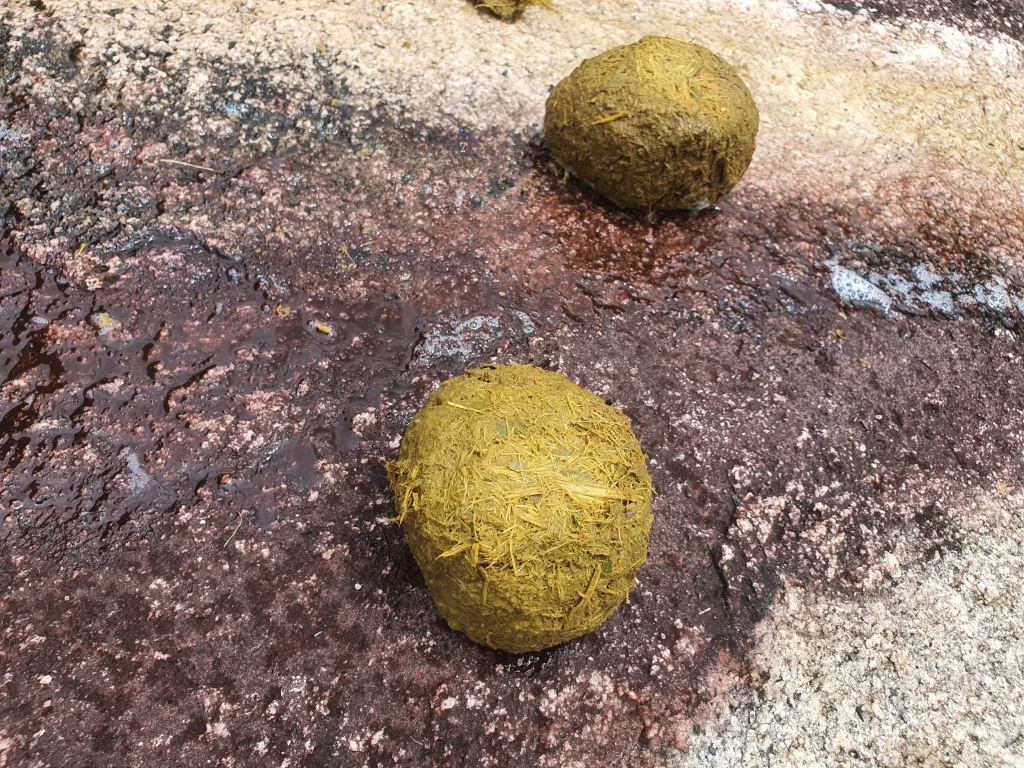
If you’ve ever had the chance to observe baby elephants closely, you might be surprised by one unexpected behavior—eating the dung of other elephants, especially their mothers or adult members of the herd. While this may seem “unclean” or “unnatural” from a human perspective, in the world of elephants, this behavior is vital for growth, health, and survival.
Coprophagy: A Natural Phenomenon
This behavior of eating feces, scientifically known as coprophagy, is not unique to elephants. It’s also found in animals like rabbits, monkeys, rodents, and other mammals. For elephants in particular, this behavior plays a crucial role in developing a healthy digestive system during the transition from a milk-based diet to a plant-based one.
Baby elephants begin showing interest in dung around 2 to 4 weeks of age and may start “tasting” it seriously between 1 to 2 months old. This is the time when their bodies start preparing to digest large amounts of fibrous plants, which are the primary diet of adult elephants.
Why Do Baby Elephants Eat Dung?
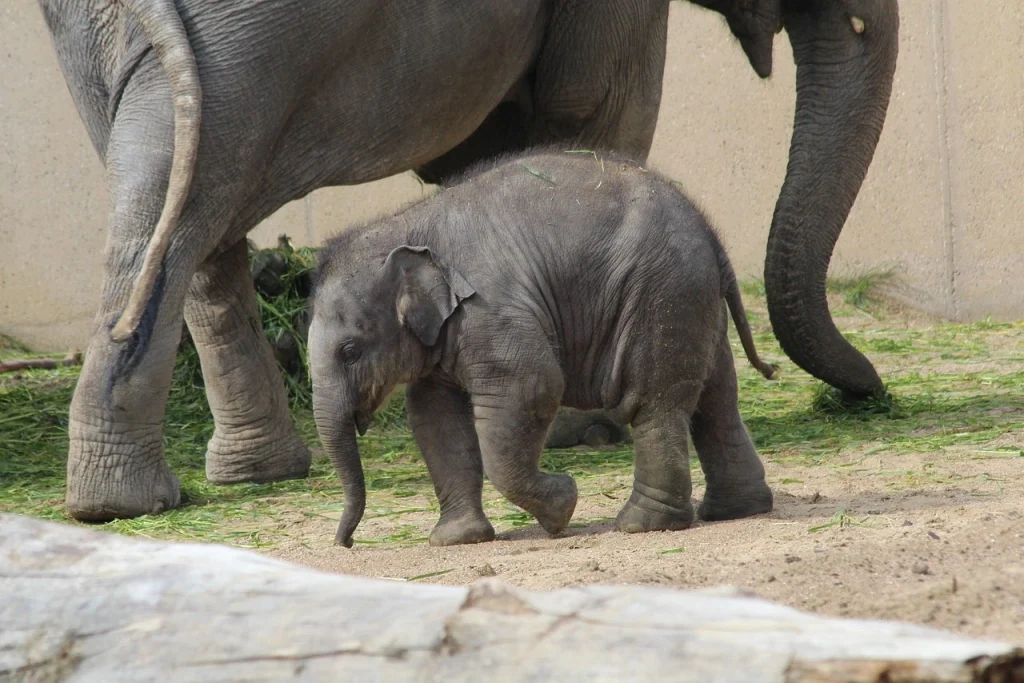
1. To Build Gut Microflora
Newborn elephants have underdeveloped digestive systems and lack the essential bacteria needed to break down plant cellulose. Adult elephant dung contains rich microbial communities, including bacteria, fiber, and enzymes that aid in digesting tough plant materials. When a baby elephant consumes dung, it introduces these beneficial microbes into its own gut, allowing it to digest plants more efficiently.
2. To Supplement Nutrition
Mother elephant dung often contains partially digested plant matter, including minerals, vitamins, and fiber. These nutrients are readily absorbable by the baby elephant, making dung a sort of “nutritional snack” that supports the elephant’s transition from milk to a herbivorous diet.
3. To Learn from the Herd
Mimicking the dung-eating behavior of adults also serves as an important learning experience. It helps young elephants understand what is edible, familiarize themselves with the smells and tastes of their diet, and build bonds with their mothers and the herd—an essential part of social development.
Elephant Dung: A Valuable Natural Resource
Many people may still view elephant dung as waste or something dirty. In reality, it holds immense biological and environmental value:
1. Rich in Natural Microorganisms
Elephant dung is packed with microbes that aid in plant digestion. These microbes can be harnessed to make organic fertilizers. For example, at Le Cher Elephant Home, dung is fermented and used as organic compost in vegetable gardens—a sustainable solution for waste management.
2. Returns Nutrients to the Soil
Fertilizer made from elephant dung improves soil quality by increasing microbial life and encouraging healthy plant growth without the use of chemicals.
3. A Reflection of Ecosystem Health
The presence of elephant dung in a sanctuary indicates that elephants have access to enough food, are in good health, and are moving naturally through the land. This is a positive sign that the ecosystem at the elephant sanctuary remains balanced.
Behavioral and Psychological Perspective
In humans, the act of eating feces is considered a disorder (medically referred to as pica). However, for mammals in the wild, this behavior is often an essential biological process—especially during early life stages.
Baby elephants naturally stop this behavior when their digestive systems fully mature, usually between 6 to 12 months of age. After that, they rely entirely on their own gut microbes to digest plants efficiently.
From Dung to Life

Elephant dung might appear worthless to us, but to baby elephants, it’s a natural gift—a source of beneficial bacteria, digestive support, essential nutrients, and social learning.
From a conservation perspective, elephant dung is not only a marker of animal health and ecosystem balance, but also a sustainable tool for organic farming and eco-friendly tourism.
At places like Le Cher Elephant Home in Chiang Mai, respecting this natural process is part of a holistic approach to ethical elephant care.
Start your journey today.
Just search for “Le Cher Elephant Home” or book directly through our website → [https://lecherelephanthome.com/]
Pingback: Elephant Sanctuary Chiang Mai: Why It’s the Perfect Location
Pingback: Ethical Elephant Sanctuary Chiang Mai | Le Cher Elephant Home
Pingback: Elephants and Nature | Ethical Elephant Sanctuary Chiang Mai
Pingback: Explore Ethical Elephant Sanctuary Chiang Mai with Your Family
Pingback: Elderly Elephant Care – Ethical Elephant Sanctuary Chiang Mai
Pingback: Best Time to Visit an Ethical Elephant Sanctuary Chiang Mai
Pingback: Managing Stressed Elephants at Chiang Mai Ethical Sanctuary
Pingback: Elephant Behavior – Chiang Mai Sanctuary
Pingback: Ethical Elephant Sanctuaries in Chiang Mai | Le Cher
Pingback: Family Half Day Elephant Sanctuary Chiang Mai | Le Cher
Pingback: Homestay with Elephants at an Ethical Sanctuary in Chiang Mai
Pingback: Karen People and Elephants | Le Cher Elephant Home
Pingback: Family Elephant Sanctuary Chiang Mai | Le Cher Elephant Home
Pingback: Yi Peng Festival Chiang Mai with Le Cher Elephant Home
Pingback: Chiang Mai Travel: Doi Suthep & Ethical Elephant Experience
Pingback: Walk with Elephants: Chiang Mai | Le Cher Elephant Home
Pingback: Why Space Matters for Elephants | Natural Elephant Sanctuary Chiang Mai
Pingback: Elephant Herbal Medicine – Ethical Sanctuary in Chiang Mai
Pingback: Elephant Home Chiang Mai | Le Cher – Family-Run Ethical Elephant Home
Pingback: Chiang Mai Elephant Hotel Alternative | Ethical Elephant Homestay
Pingback: Ethical Elephant Care in Chiang Mai | Visit Le Cher Elephant Home
Pingback: Most Ethical Elephant Sanctuary in Chiang Mai | Le Cher
Pingback: Elephant Sanctuary Thailand | Le Cher Elephant Home