
Elephants are not only large, intelligent, and gentle animals—they also experience life in distinct stages, much like humans. At a Chiangmai Elephant Sanctuary, understanding these stages—from a playful calf to a wise elder—helps caregivers and visitors alike connect more deeply with each elephant’s unique journey.
How Our Elephant Sanctuary Cares for Baby Elephants (0-5 Years)
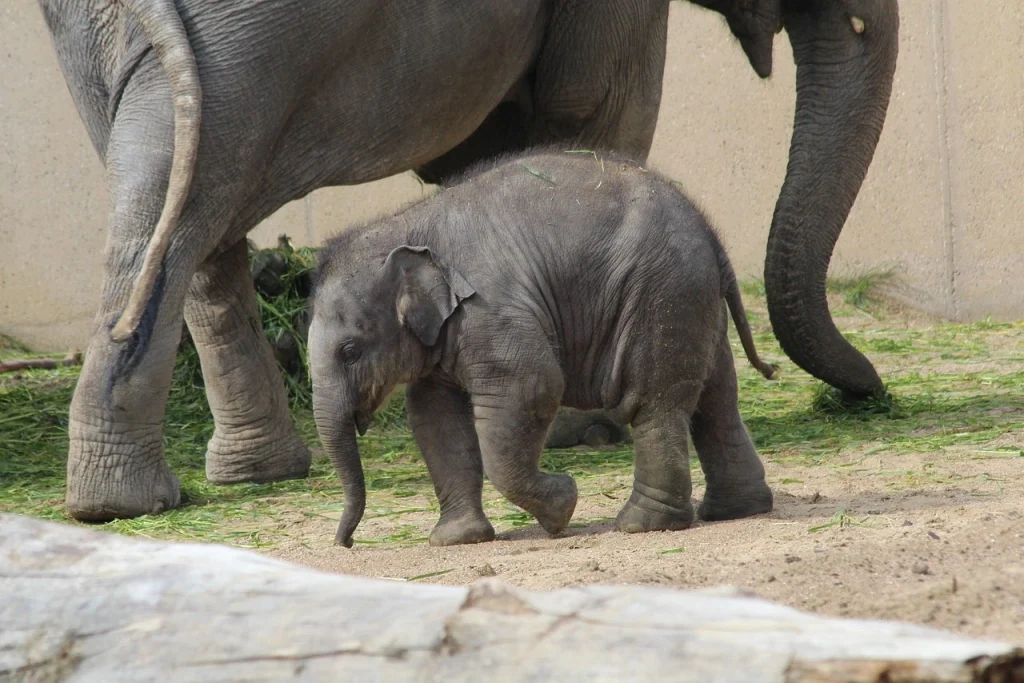
A newborn elephant calf can weigh between 80–120 kg. Despite their size, they are still fragile and need to stay close to their mothers. During these early years, calves nurse and begin exploring the world with a strong sense of curiosity.
Charming behaviors during this stage include:
- Playful walking, rolling in the dirt, and splashing in water
- Learning to use their trunks to grab objects
- Developing a close bond with their mothers and herd
Care needs:
Warmth, safety, and attentive supervision from both elephant and human caregivers.
Adolescence (6–17 years): Finding Identity

Adolescent elephants begin to express their unique personalities. They learn their role within the herd, and some—especially males—start to seek independence.
Key traits of this stage include:
- Increased social interaction
- Willingness to explore and test boundaries
- Young males may leave the herd to live alone or join bachelor group
Why it matters:
This is a crucial time for shaping behavior. Elephants who lack love or experience trauma in early life may struggle with trust and emotional stability later on.
Adulthood & Old Age (18+ years): Stability and Wisdom
As elephants reach adulthood, they become more emotionally stable and often take on leadership or mentoring roles within the herd.
Notable characteristics:
- Calm, thoughtful, and aware of their surroundings
- Female elephants may lead the herd as matriarchs
- Males may enter periods of “musth,” a state of elevated testosterone that requires space and special management

Senior elephants (around 50+ years):
- Teeth begin to wear down, making it difficult to chew tough food
- Slower movement; some may develop joint pain or leg issues
- Need softer food, clean water, and more attentive care
Did You Know?
- Wild elephants typically live up to 60 years
- Elephants in sanctuaries with proper care may live 70 years or more
- Like humans, elephants that live peaceful, stress-free lives tend to live longer
Why Age-Specific Care Matters at an Elephant Sanctuary
Recognizing which life stage an elephant is in allows us to meet their physical, emotional, and social needs more appropriately—from feeding and activities to the way we interact with them.
No matter their age, elephants—just like us—need love, safety, and respect.
If you visit Le Cher Elephant Sanctuary. a Chiangmai Elephant Sanctuary, take a moment to observe: what stage of life is the elephant you’re meeting in?
take a moment to observe:
What stage of life is the elephant you’re meeting in?
You might come away with a deeper understanding of their heart than ever before
Start your journey today.
Just search for “Le Cher Elephant Home” or book directly through our website → [https://lecherelephanthome.com/]

Pingback: Who Are Mahouts? Their Vital Role in Elephant Sanctuaries - Le Cher
Pingback: 5 Reasons to Visit Le Cher Elephant Home in Chiang Mai
Pingback: Why Baby Elephants Eat Dung | Elephant Sanctuary Chiang Mai
Pingback: Elderly Elephant Care – Ethical Elephant Sanctuary Chiang Mai
Pingback: Managing Stressed Elephants at Chiang Mai Ethical Sanctuary
Pingback: Elephant Dung at an Ethical Elephant Sanctuary in Chiang Mai
Pingback: Explore Ethical Elephant Sanctuary Chiang Mai with Your Family
Pingback: Elephant Behavior – Chiang Mai Sanctuary
Pingback: Elephant Sanctuary Chiang Mai: Why It’s the Perfect Location
Pingback: The Evolution of Elephants | Le Cher Elephant Home
Pingback: Elephant Herbal Medicine – Ethical Sanctuary in Chiang Mai
Pingback: Elephants and Nature | Ethical Elephant Sanctuary Chiang Mai
Pingback: Chiang Mai & Elephants: A Shared History
Pingback: Best Time to Visit an Ethical Elephant Sanctuary Chiang Mai
Pingback: Ethical Elephant Sanctuary Chiang Mai | Le Cher Elephant Home
Pingback: Caring for Calves – Elephant Sanctuary Chiang Mai
Pingback: Local Mahouts at Our Elephant Sanctuary in Chiang Mai
Pingback: Homestay with Elephants at an Ethical Sanctuary in Chiang Mai
Pingback: Family Elephant Sanctuary Chiang Mai | Le Cher Elephant Home
Pingback: Stay Overnight with Elephants in Chiang Mai | Le Cher Elephant Home
Pingback: Walk with Elephants: Chiang Mai | Le Cher Elephant Home
Pingback: Why Space Matters for Elephants | Natural Elephant Sanctuary Chiang Mai
Pingback: Le Cher: Elephant Sanctuary Chiang Mai Nature experience
Pingback: Elephant Sanctuary Thailand | Le Cher Elephant Home
Pingback: Chiang Mai Travel: Doi Suthep & Ethical Elephant Experience
Pingback: Yi Peng Festival Chiang Mai with Le Cher Elephant Home